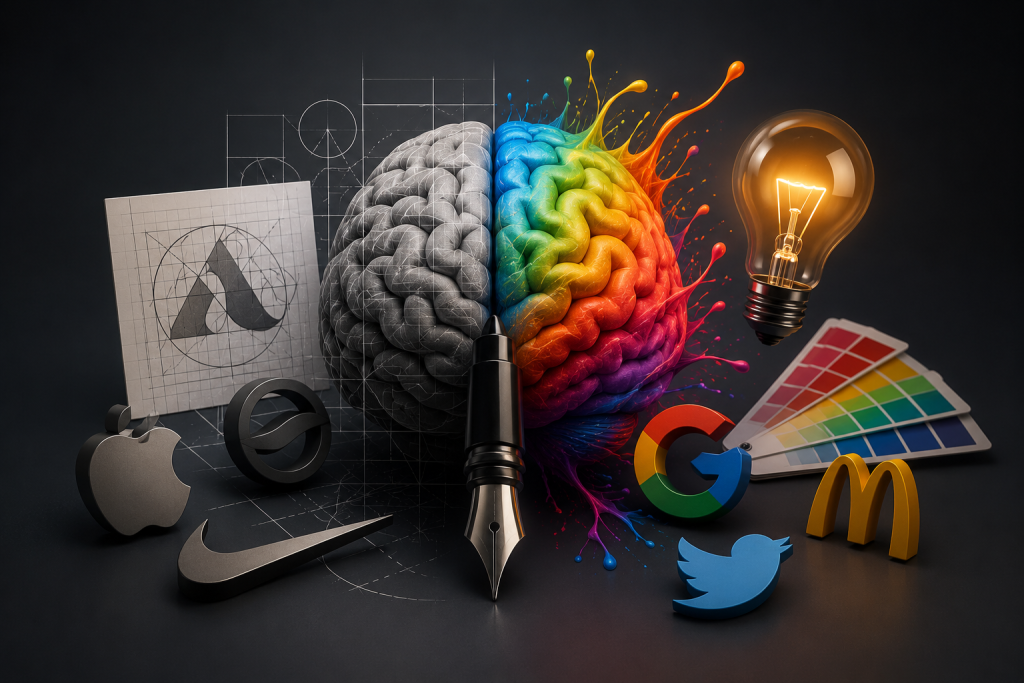


Think about the last time you bought a pair of shoes, a phone, or even a bottle of water. Now ask yourself honestly, did you buy it purely because of what it does, or did something else influence that decision? Maybe it was the way the brand made you feel. Maybe it was the story behind it. Maybe it was simply the fact that everyone around you trusted that name.
Here’s something most business owners don’t want to admit at first: people rarely buy products. They buy brands. Two bottles of water can contain the exact same liquid, yet one sells for ten times the price of the other, purely because of the name printed on the label. This isn’t irrational behavior, it’s deeply human psychology, and understanding it is the difference between a business that struggles to compete and one that customers stay loyal to for years.
What’s the Actual Difference Between a Product and a Brand?
A product is what a business makes. A brand is what a customer feels. A product solves a functional need, it cleans, it heats, it transports, it connects. A brand, on the other hand, answers a completely different question in the customer’s mind: can I trust this, and does it represent who I am?
| Product Thinking | Brand Thinking |
| Focuses on features and specifications | Focuses on feelings and identity |
| Competes mainly on price | Competes on trust and loyalty |
| Easily copied by competitors | Difficult to replicate authentically |
| Sold through one-time transactions | Sold through long-term relationships |
| Customer asks “what does it do?” | Customer asks “what does it stand for?” |
This distinction explains why two nearly identical products can perform completely differently in the market. The one with a stronger brand identity almost always wins, not because it’s functionally better, but because it feels more trustworthy and more aligned with what the customer wants to believe about themselves.
Is Buying Really an Emotional Decision, Not a Logical One?
It might feel uncomfortable to admit, but most purchasing decisions aren’t as rational as we like to believe. Modern research into consumer psychology suggests that the vast majority of buying decisions happen at a subconscious, emotional level before any real logical evaluation even takes place.
This happens because our brains are wired to make quick decisions based on feeling, then justify those decisions with logic afterward. Someone might tell you they bought a certain phone because of its camera quality, but the real driver was likely a feeling of status, trust, or belonging that the brand had already built in their mind long before the purchase.
This is exactly why identical products from different brands can generate completely different levels of desire. The product might be the same, but the emotional story attached to it is not.
Why Do People Pay More for a Brand They Trust?
If products were purely functional decisions, price would be the only factor that mattered. But in reality, customers regularly choose more expensive options from brands they trust, even when cheaper, equally capable alternatives exist. This happens for a few key reasons:
- Trust reduces perceived risk. A familiar, trusted brand feels safer to buy from, even before the customer has any direct experience with that specific product.
- Identity plays a bigger role than function. Customers often choose brands that reflect how they want to be seen, whether that’s premium, eco-conscious, minimalist, or bold.
- Consistency builds confidence. A brand that has consistently delivered a good experience earns the benefit of the doubt on new products, even before they’re tested.
- Emotional attachment increases loyalty. Research shows that a large share of consumers feel genuinely emotionally connected to the brands they consistently choose, and this attachment often matters more than price when making a final decision.
None of this means customers are being irrational. It means they’re relying on trust as a shortcut, because evaluating every single purchase from scratch, every single time, simply isn’t realistic.
How Does Brand Identity Create This Kind of Trust?
Brand identity is the sum of everything a customer experiences when interacting with a business, the visuals, the tone, the customer service, the packaging, and the overall consistency across every touchpoint. When all of these elements align and repeat consistently over time, something powerful happens in the customer’s mind: predictability turns into trust.
Think of it like meeting someone new versus meeting an old friend. With a stranger, you’re cautious, you’re evaluating, you’re unsure what to expect. With an old friend, you already know how they’ll behave, and that familiarity creates comfort. Strong brands function the same way. A consistent identity means customers already know what to expect, long before they even open the box or use the product.
This is precisely why businesses that constantly change their visuals, tone, or messaging struggle to build the same level of trust as brands that stay consistent for years. Trust isn’t built in a single interaction, it’s built through repeated, predictable experiences.
Why Do People Recommend Brands, Not Just Products, to Others?
Have you ever noticed how people rarely say “try this generic product,” but instead say “you have to try this brand”? Word-of-mouth recommendations almost always center around brand names, not just product categories. This happens because recommending a brand feels like recommending an experience, a feeling, or even a small piece of personal identity, rather than just a functional item.
This is also why brands with strong emotional connections often enjoy significantly higher customer retention and referral rates compared to brands that compete purely on price or specifications. When someone feels emotionally connected to a brand, sharing that brand with others becomes a way of expressing their own identity and values, not just offering practical advice.
Need Professional Branding for Your Business?
From logo design and brand identity to packaging and WordPress websites, DESIGN X MOHIT helps businesses create memorable brands that stand out.
✅ Logo Design ✅ Brand Identity ✅ Packaging Design ✅ Website Design
Can Small Businesses Really Compete With Big Brands on This?
Absolutely, and this is actually good news for smaller businesses. Building brand trust isn’t about having the biggest advertising budget, it’s about consistency, authenticity, and clarity of identity. A small business with a clear personality, a consistent visual identity, and genuine customer care can build the same emotional trust as a large corporation, sometimes even faster, because customers often feel more personally connected to smaller, relatable brands than to massive impersonal ones.
The businesses that struggle aren’t the ones with smaller budgets, they’re the ones with inconsistent identities, unclear messaging, and no real emotional story behind what they sell.
Frequently Asked Questions
Does this mean product quality doesn’t matter anymore? Not at all. Product quality is still essential, but it’s no longer enough on its own. A great product with weak branding will struggle to gain trust quickly, while a great product paired with strong branding builds trust and loyalty far more efficiently.
Can a brand identity change over time? Yes, brands can evolve, but sudden, inconsistent changes damage trust. Gradual, intentional evolution that still feels familiar tends to work far better than dramatic overnight changes.
How long does it take to build real brand trust? There’s no fixed timeline, but trust generally builds through repeated, consistent, positive experiences over months and years, not through a single marketing campaign or a single purchase.
Is emotional branding just a marketing trick? Not when it’s done authentically. Emotional branding only works long-term when the actual customer experience matches the emotional promise being made. Otherwise, the disconnect eventually damages trust rather than building it.
Final Thoughts
The next time you wonder why customers choose one brand over a nearly identical alternative, remember this, they’re rarely comparing features side by side in a spreadsheet. They’re responding to trust, identity, and emotional familiarity built over time.
Products solve problems. Brands solve uncertainty. And in a marketplace full of nearly identical options, solving uncertainty is often the single biggest reason customers choose you over everyone else.